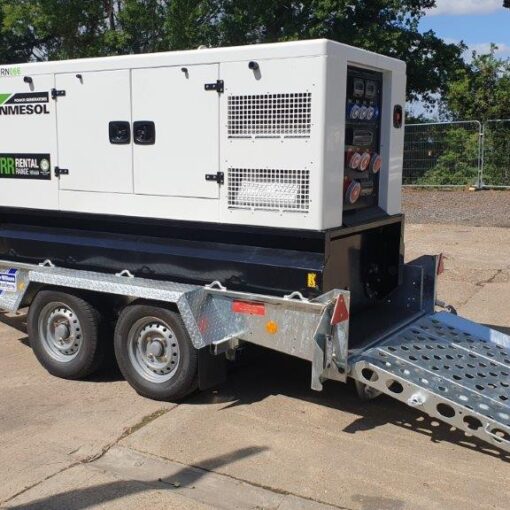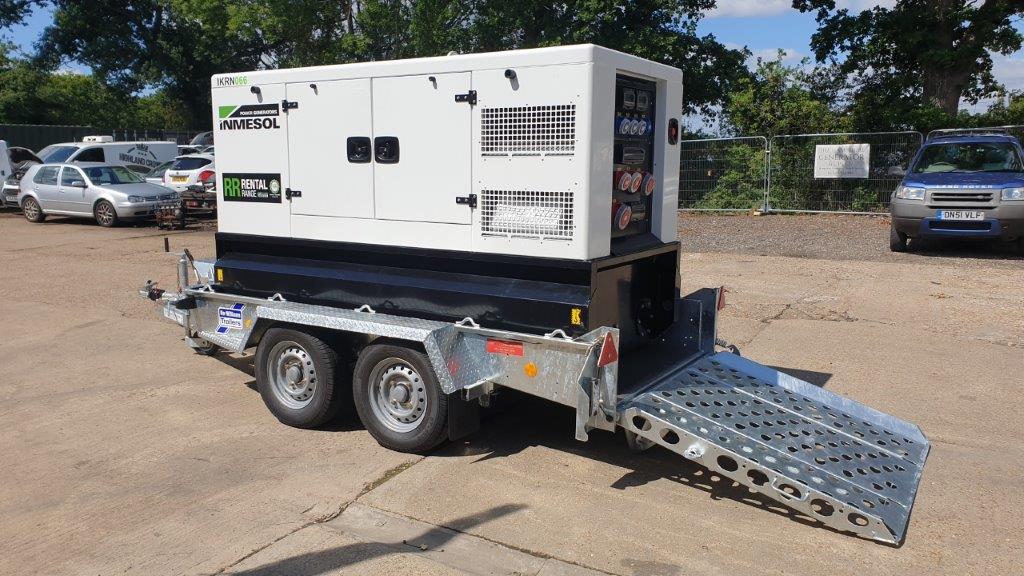

Choosing the right generator for an event is important. A generator that is too small may overload, trip out or struggle when equipment starts up. A generator that is far too large can mean paying for capacity and fuel that you simply don’t need.
At Event Generators, we help customers work out the correct generator size for everything from weddings and outdoor events to festivals, catering units and film and TV shoots.
Start by Making a List of Everything That Needs Power
The first thing we need to know is exactly what you are planning to run from the generator.
This might include:
PA systems and speakers
DJ equipment
Stage and event lighting
LED screens
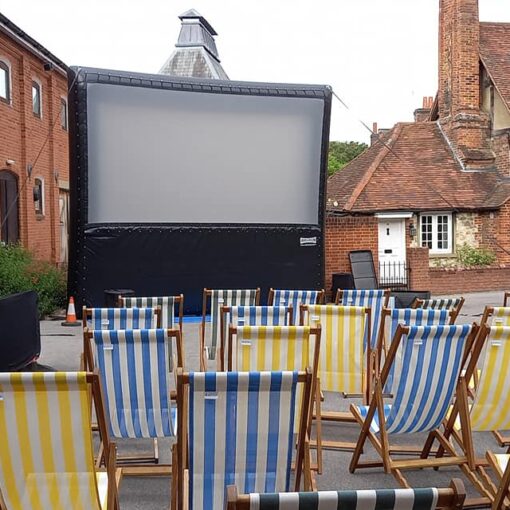
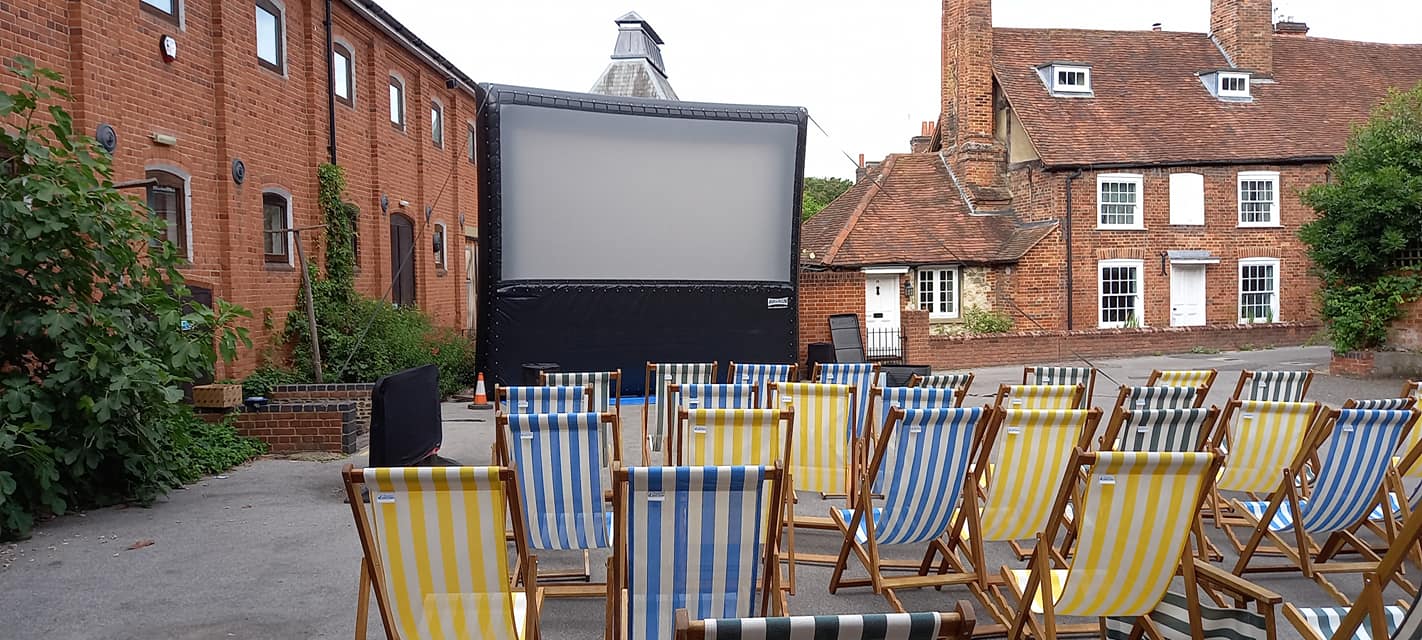
Projectors and cinema equipment
Catering trailers
Refrigerators and freezers
Coffee machines and hot-water boilers
Food warmers and cooking equipment
Marquees and temporary buildings
Heaters
Computers and production equipment
Hair and makeup facilities on film shoots
Battery chargers and other production equipment
Look at the electrical label on each item. It will normally tell you the power requirement in watts (W) or kilowatts (kW).
For example, if you have:
PA system – 1,500W
Lighting – 2,000W
Refrigeration – 1,000W
Other equipment – 500W
Your total connected load would be approximately 5,000 watts or 5kW.
However, that doesn’t necessarily mean that a 5kW generator is suitable.
Allow Extra Capacity
Electrical equipment does not always draw exactly the amount shown on the label.
Some equipment can require considerably more power when it first starts. Refrigerators, pumps, motors, air-conditioning equipment and certain catering appliances can all create a higher starting load.
For this reason, we normally recommend having sensible spare capacity rather than running a generator permanently at its maximum output.
A generator working comfortably within its capacity is generally a much better solution than one running flat-out for the entire event.
What Is the Difference Between kW and kVA?
Generator sizes are often advertised in kVA, while electrical equipment is commonly rated in watts or kilowatts.
kW represents real power, while kVA represents apparent power. The relationship depends on the equipment’s power factor.
A commonly used rough calculation for generators is:
kW = kVA × Power Factor
Using a power factor of 0.8 as an example:
20kVA × 0.8 = 16kW
However, this should only be treated as a guide. Modern electronic equipment, motors, LED systems and other loads can behave differently, which is why we prefer to look at the actual equipment being powered before recommending a generator.
Single Phase or Three Phase?
This is another important consideration.
Smaller event equipment will often use standard 230V single-phase supplies, while larger catering equipment, production equipment and event distribution systems may require three-phase power.
With a three-phase generator, it is also important to balance the electrical load correctly across the phases.
Simply hiring a large generator does not automatically mean everything can be plugged into it safely.
Don’t Forget Power Distribution
The generator is only one part of an event power system.
You may also require:
Distribution boards
Suitable extension cables
16A, 32A, 63A or larger connections
Cable ramps
Electrical protection
Earthing arrangements
Weather-resistant connections
Fuel management
Cable length also needs to be considered, particularly when the generator has to be positioned away from the public, marquee, stage or filming area.
Catering Equipment Can Use a Lot of Power
Catering is one of the areas where generator requirements are often underestimated.
A few lights and a PA system may use relatively little electricity, but add coffee machines, water boilers, fryers, refrigerators, hot plates or other electrical catering equipment and the power requirement can increase very quickly.
If several catering traders are being supplied from one generator, we recommend obtaining an equipment and power list from every trader before deciding on generator size.
Weddings and Private Events
For a wedding, the power requirement might include the marquee, lighting, DJ, band, bar, catering equipment and refrigeration.
It is worth checking whether the venue already provides some of this power.
If the generator is supplying the whole event, reliability becomes particularly important. Nobody wants the music, lighting or catering to suddenly stop halfway through a wedding reception.
Film and TV Shoots
Film and television production can have very different power requirements.
Generators may be required for lighting, production equipment, monitors, catering, makeup facilities, charging stations and temporary production areas.
We regularly supply generators for film, television and studio work, and can help work out the power requirements before the generator arrives on site.
Think About Generator Location
Generator positioning is just as important as generator size.
Consider:
Noise: The generator should ideally be positioned far enough away that it does not interfere with guests, filming or sound recording.
Ventilation: Generators must always operate in a properly ventilated outdoor location and must never be run inside enclosed occupied spaces.
Security: On longer events and film shoots, generator security may need to be considered.
Access: We need suitable access for delivery, collection and, where required, refuelling.
Cabling: Moving the generator further away may require larger or longer power cables.
How Long Will the Generator Be Running?
Tell your generator supplier the expected running time.
A generator needed for a five-hour wedding reception has very different requirements from a generator supporting a film production for several days.
For longer jobs, fuel capacity and refuelling need to be planned.
We can also provide an on-site service to maintain fuel levels and help look after the generator, which can be particularly useful for film and TV shoots and longer events.
Don’t Guess – Send Us Your Equipment List
You don’t need to be an electrician or understand generator calculations before contacting us.
Send us a list of everything you want to power, including the wattage, amperage or electrical information from the equipment where possible.
It is also helpful to tell us:
What is the event?
Where is it?
How many hours or days will power be required?
What equipment needs power?
Is anything three-phase?
How far will the generator be from the equipment?
We can then help determine an appropriate generator and distribution setup.
Event Generator Hire
We provide generator hire for weddings, private events, outdoor events, festivals, corporate events, film and television shoots and studio work.
We cover London, Surrey, Hampshire and surrounding areas, with other UK locations available depending on the job.
If you’re unsure whether you need a small generator or a much larger event power system, give us a call before booking. It is much easier to work out the correct generator in advance than discover on the day that there isn’t enough power.